Growth equals a Sustainable and Compliant Records Management System
- 10:14 am
- No Comments
- November 10, 2022
During the large Records Management Project that I was involved in, part of the learning curve was understanding what is an active or inactive records. Determining the difference between a document and a vital record. Understanding the retention schedules of certain types of records and determining the correct access, storage, and safety protocols! This was no easy task, even with my extensive knowledge, it still proved to be a highly challenging task! Throughout the entire process I always had to keep the end goal in mind – learn from this to create a sustainable records management solution with strict measurements and governance.
Easy, it’s records and documents, mmmmmmmm …………… NOT!!
There are financial regulations, human resource regulations, clinical research regulations, funder regulations, department of health regulations, government regulations and I could go on for a long time but hopefully you get my point! There are loads of regulations that need to be strictly adhered to. REGULATIONS ARE CRITICAL!!
The key component to any Records Management Solution is to have a company-level policy to ensure the entire organization is compliant. This must be accompanied by standard operating procedures with guidelines and templates for easy implementation. But we did not stop there! We then had to ensure there was a central team that could manage records management going forward and this was the fun part!
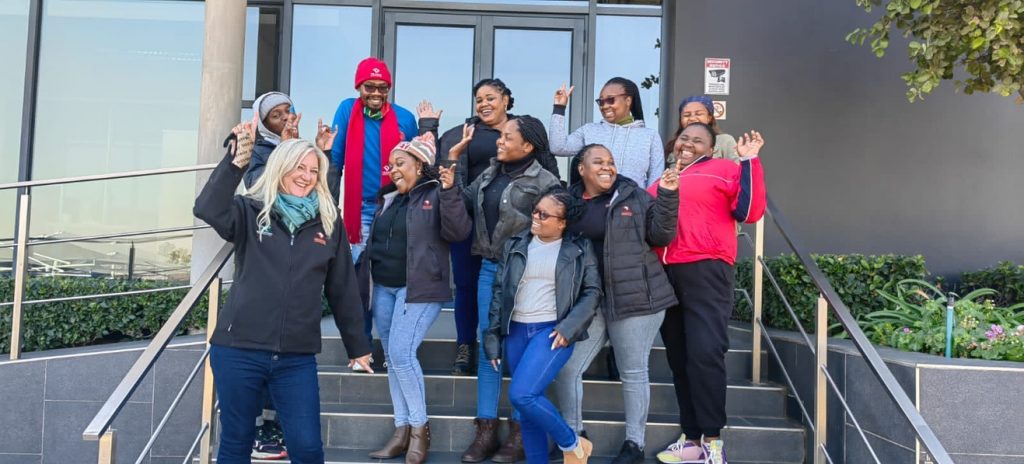
We created a Central Records Team, and I had the privilege of creating the department, defining the job descriptions, selecting the ideal candidates, and then training/ mentoring each member of the team! It was rewarding to work with such a passionate team that wanted to learn, asked questions, and literally soaked up the knowledge. No task was too big or too small and each task was tackled with enthusiasm.
Although I learnt so much about records over the last two years, the most incredible part was finding that I have a unique talent for mentoring and coaching team members. It brings out so much passion in myself that I literally beam when training and even just sharing my knowledge. I found a part of my much younger self emerging by being able to share over two and a half decades of experience.
Together we managed to create a Sustainable Records Management Solution for the organisation and hopefully this solution can be rolled far and wide!!!
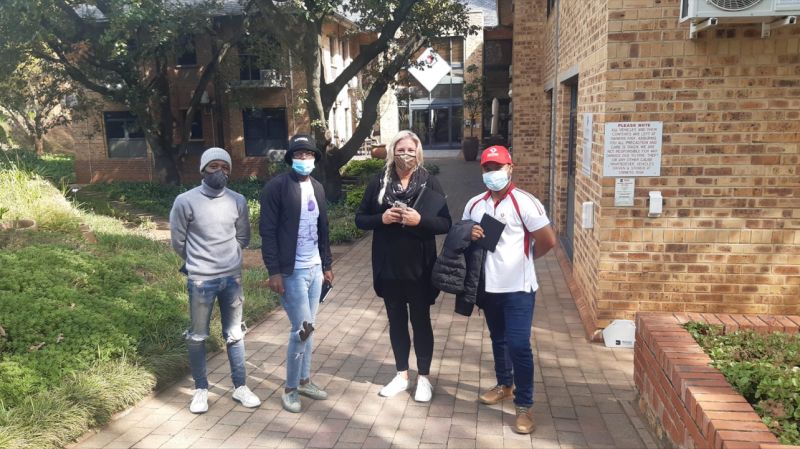
Bulk Scanning of 1 700 000 physical Health Care Records
- 10:14 am
- No Comments
- November 10, 2022
With bulk scanning you can easily take a huge pile of paper documents and put them through a bulk scanner which then converts them to electronic images that can be saved to the cloud for easy retrieval. The paper can then be destroyed which saves the company financial costs in the long term. Would you define this as “Easy” or “Difficult”?
Firstly, let’s define “Easy” vs “Difficult”.
Easy = Achieved without great effort, presenting few difficulties.
Difficult = Needing much effort or skill to accomplish, deal with, or understand.
These were the Business Requirements: 425 000 files with 4 images per file = 1 700 000 actual images. As they were clinical records they came from various clinic’s, across various districts and provinces within South Africa. They had been boxed and sent to a central location for my team to come in and do bulk scanning on-site.
The first step in the bulk scanning process is preparing the documents for scanning. Each box had to be sorted by clinic, client, and date. Every single document had to be in perfect order before scanning could begin and sorted precisely. Needless to say that I think my team was sending me silent hate signals as this was an extremely tedious process that required literally sorting and prepping 1.7 million pages of documents.
The second step was to perform quality checks on each box of documents to ensure each pack of documents were correctly prepped before being put through the bulk scanner. One missed staple could damage a bulk scanner and the costs would be extremely high to replace the scanner.
The third step was bulk scanning paper documents in the files, ensuring the quality was exceptional and loading onto a shared file server.
The fourth step was then indexing each file for easy retrieval. The key to this process is ensuring there was a unique identifier per file for quick and easy retrieval.
The fifth step was to perform the final quality control and verify that all images in each box were scanned and available electronically.
Verdict!
Was this easy or difficult! Parts of the project were difficult especially when it came to the challenges experienced in the preparation and scanning of the documents. However, with a well trained team and perfectly prepped documents the project was easy enough to complete in 2 months!!
Leave a Reply Cancel reply
Newsletter
Keep up to date — get updates with latest topics